Open 24 × 7 · Emergency & OPD 📍 Ram Basti, Sangrur, Punjab
⭐ 4.5 Google Rating

Uncategorized

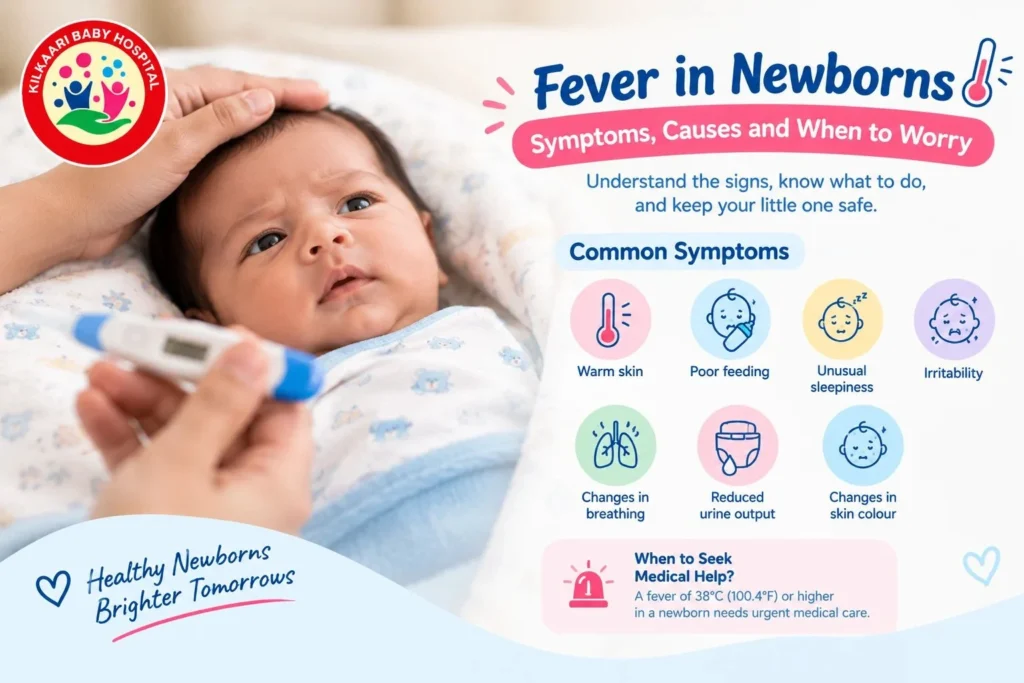
fever in newborn img.
Uncategorized

Fever in Newborn: Causes, Symptoms, Temperature and When to Seek Medical Help

A newborn’s health needs special attention, especially during the first few weeks after birth. If your baby feels unusually warm, is feeding less than usual or seems sleepier than normal, you may wonder whether your newborn has a fever. Fever in a newborn can be a sign of a serious infection and requires urgent medical assessment. A temperature of 38°C (100.4°F) or higher in a baby younger than three months needs immediate medical attention, even if the baby otherwise appears well. Do not wait for other symptoms to develop. In this guide, we explain the signs of fever in newborn, possible causes, how to check your baby’s temperature and when to seek medical help. What Is Considered a Fever in Newborn? A fever is an increase in body temperature that can occur when the body responds to an infection or another medical condition. For a baby younger than three months, a temperature of 38°C (100.4°F) or higher is a medical concern that requires urgent assessment. A newborn may have a serious infection without showing obvious symptoms, so parents should not rely only on how the baby looks or feels. If you suspect your newborn has a fever, contact a healthcare professional immediately or take your baby to the nearest hospital emergency department. Do not delay medical care to repeat measurements or try home remedies. Common Symptoms of Fever in Newborn A newborn with a fever may show one or more of the following signs: Warm skin: Your baby’s body may feel warmer than usual. Poor feeding: The baby may refuse feeds or feed less than usual. Unusual sleepiness: Your baby may be less active or difficult to wake. Irritability: The baby may cry more than usual or be difficult to settle. Changes in breathing: Breathing may become faster or more difficult. Reduced urine output: Wet nappies may become less frequent. Changes in skin colour: The skin may appear unusually pale, grey, mottled or blue. Not every newborn with an infection develops a high temperature. Some babies may have a temperature that is lower than normal or may simply appear unwell. Seek emergency medical help immediately if your baby is difficult to wake, has trouble breathing, develops blue or grey lips or skin, has a seizure or develops a rash that does not fade when pressed. What Causes Fever in Newborn? Several conditions can cause a newborn’s temperature to rise. The cause cannot be determined reliably from temperature alone, and a doctor may need to examine the baby and perform tests. 1. Viral Infections Viruses can cause infections that lead to fever. Some may also cause a runny nose, cough, feeding difficulties or changes in activity. 2. Bacterial Infections Bacterial infections are an important concern in newborns. Possible causes include urinary tract infections, pneumonia and bloodstream infections. 3. Serious Infections Conditions such as sepsis and meningitis can cause fever or other temperature abnormalities in newborns. These illnesses can progress quickly and need urgent medical assessment. 4. Fever After Vaccination Some babies develop a temperature after receiving vaccinations. However, a fever in a baby younger than three months should not automatically be assumed to be a normal vaccine reaction. Contact a healthcare professional promptly and follow their advice. 5. Overheating Too many layers of clothing, heavy blankets or a very warm environment can make a baby feel hot. However, overheating should not be assumed to be the cause of a measured fever. A temperature of 38°C or higher in a newborn still requires urgent medical assessment. How to Check a Newborn’s Temperature If your newborn feels warm or appears unwell, use a suitable digital thermometer rather than relying on touch alone. Follow these steps: Choose a digital thermometer suitable for your baby’s age. Follow the manufacturer’s instructions for the recommended measurement site. Record the temperature and the time it was taken. Tell the healthcare professional the reading and how you measured it. Seek urgent medical care if your baby is younger than three months and has a temperature of 38°C or higher. The NHS recommends measuring a young child’s temperature with a digital thermometer in the armpit. Some other clinical guidelines use different measurement methods, so follow professional advice on the most appropriate method for your newborn. Do not use an ear thermometer for a very young baby unless specifically advised by a healthcare professional. What Should Parents Do If a Newborn Has a Fever? If your newborn has a fever, take the following steps while arranging medical care. Seek urgent medical assessment: Do not wait to see whether the fever goes away. Continue offering feeds if your baby is awake and able to feed: Breast milk or the baby’s usual prescribed feeding plan can help maintain intake. Do not force-feed a baby who is struggling to feed. Dress your baby comfortably: Avoid excessive layers and heavy blankets, but do not deliberately make the baby cold. Monitor your baby’s condition: Note feeding, wet nappies, breathing, alertness and temperature. Avoid self-medication: Do not give paracetamol, ibuprofen, antibiotics or other medicines to a newborn unless a healthcare professional specifically directs you to do so. Never give aspirin to a child. Do not use cold baths, ice, alcohol rubs or home remedies to bring down a newborn’s temperature. These measures do not treat the underlying cause and may be harmful. When Should You Take a Newborn to the Hospital? A newborn needs immediate medical assessment if: If the baby is younger than three months and has a temperature of 38°C (100.4°F) or higher. The baby has a temperature below 36°C and appears unwell. The baby refuses feeds or has significantly fewer wet nappies. The baby is unusually sleepy, floppy or difficult to wake. The baby has fast or laboured breathing. The baby develops blue, grey, pale or mottled skin. The baby has a seizure or a rash that does not fade when pressed. If your baby has severe breathing difficulty, is unresponsive or has blue lips, call your local emergency service immediately. How Can Parents […]

how to increase breast milk supply img.
Uncategorized

How to Increase Breast Milk Supply: 10 Helpful Tips for New Mothers

Breastfeeding is an important part of caring for a newborn, but many mothers worry about whether they are producing enough milk for their babies. Some may notice that their baby wants to feed frequently, while others may find it difficult to express much milk using a breast pump. If you are wondering how to increase breast milk supply, understanding how milk production works and learning effective breastfeeding techniques can help. In most cases, regular and effective milk removal is one of the most important ways to support breast milk production. This guide explains practical ways to increase breast milk supply naturally, recognise signs that your baby is getting enough milk, understand possible causes of low milk production and know when to seek professional support. How Is Breast Milk Produced? Breast milk production begins during pregnancy and changes after childbirth. Following delivery, hormonal changes help establish milk production. As breastfeeding continues, the amount of milk your body makes is influenced by how frequently and effectively milk is removed from your breasts. This is often described as the supply-and-demand process: when your baby removes milk effectively and regularly, your body receives signals to produce more. In the first few days after birth, your breasts produce colostrum, the first milk, which is concentrated and produced in relatively small quantities. Mature milk generally increases over the following days. It is normal for breastfeeding patterns and milk production to change as your baby grows. However, if your baby is not gaining weight appropriately or is showing signs of inadequate feeding, seek advice from a paediatrician or lactation consultant. 10 Tips on How to Increase Breast Milk Supply Naturally 1. Breastfeed Your Baby Frequently One of the most effective ways to support breast milk production is to breastfeed frequently and respond to your baby’s hunger cues. During the first few weeks, many newborns breastfeed around 8–12 times or more in 24 hours. Some babies may want to feed more frequently during growth spurts. Look for early hunger cues, such as: Turning the head towards the breast. Opening the mouth or making sucking movements. Bringing hands towards the mouth. Becoming restless. Crying is a later hunger cue, so try offering the breast before your baby becomes very upset. Avoid restricting feeds to a rigid schedule unless your healthcare professional has recommended a specific feeding plan. If your newborn is very sleepy or has been advised to feed at set intervals, follow the medical team’s instructions. 2. Check Your Baby’s Latch and Position A good latch helps your baby remove milk effectively and can reduce nipple pain. To support a comfortable latch: Hold your baby close, with their head and body aligned. Position your baby’s nose near your nipple. Allow your baby to open their mouth widely before bringing them to the breast. Check that the baby’s chin is close to the breast and their cheeks remain rounded during sucking. Look or listen for regular swallowing. Persistent nipple pain, clicking sounds during feeding or difficulty keeping the baby attached may indicate a latch problem. A lactation consultant or trained breastfeeding professional can observe a feed and help you adjust positioning. Improving milk transfer may also help increase milk production over time. 3. Offer Both Breasts During Feeding Allow your baby to feed from the first breast while they are actively sucking and swallowing. When swallowing slows or your baby seems satisfied with that side, offer the second breast. Some babies take milk from both breasts at every feed, while others may prefer one side at certain feeds. Offering both breasts can provide additional opportunities for milk removal. Begin the next feed with the breast that was used less at the previous feed if it feels comfortable. There is no need to force your baby to finish a breast if they have stopped feeding and appear satisfied. 4. Include Night Feeds When Your Baby Needs Them Newborns commonly wake during the night to feed. Breastfeeding at night can help maintain frequent milk removal, particularly while your milk supply is being established. Follow your baby’s hunger cues and any feeding instructions provided by your healthcare professional. If your baby was born prematurely, has jaundice, has difficulty gaining weight or is unusually sleepy, ask your medical team whether you need to wake them for feed and how often. Do not skip medically recommended feeds simply to maintain a sleep schedule. 5. Try Skin-to-Skin Contact Skin-to-skin contact means holding your baby against your bare chest while keeping the baby warm and safe. It can help support bonding, encourage feeding cues and make breastfeeding more comfortable. You can try skin-to-skin contact before feeding, especially when your baby is calm and alert. Always ensure that your baby’s face remains visible, the nose and mouth are unobstructed, and breathing is not restricted. If you feel sleepy, place your baby safely in their cot rather than falling asleep while holding them. 6. Express Breast Milk When Needed Hand expression or pumping can help maintain milk removal when your baby cannot breastfeed effectively, when you are separated from your baby or when extra stimulation is recommended. To express milk: Wash your hands and prepare a clean collection container. Choose a comfortable position and relax your shoulders. Gently massage your breasts if this feels comfortable. Express by hand or use a correctly fitted breast pump. Follow recommended cleaning and milk-storage guidance. If your baby is not removing milk effectively, a lactation consultant may recommend expressing after feeds or following a regular pumping plan. The amount collected during one pumping session does not necessarily show how much milk you produce overall. Pump output can vary with the time of day, equipment, comfort and how recently your baby fed. 7. Use Gentle Breast Compressions Gentle breast compressions during breastfeeding may help milk flow when your baby is sucking but swallowing less frequently. To try them, gently squeeze the breast while your baby is attached, avoiding pressure that causes pain. Release when your baby begins swallowing more actively. You can […]

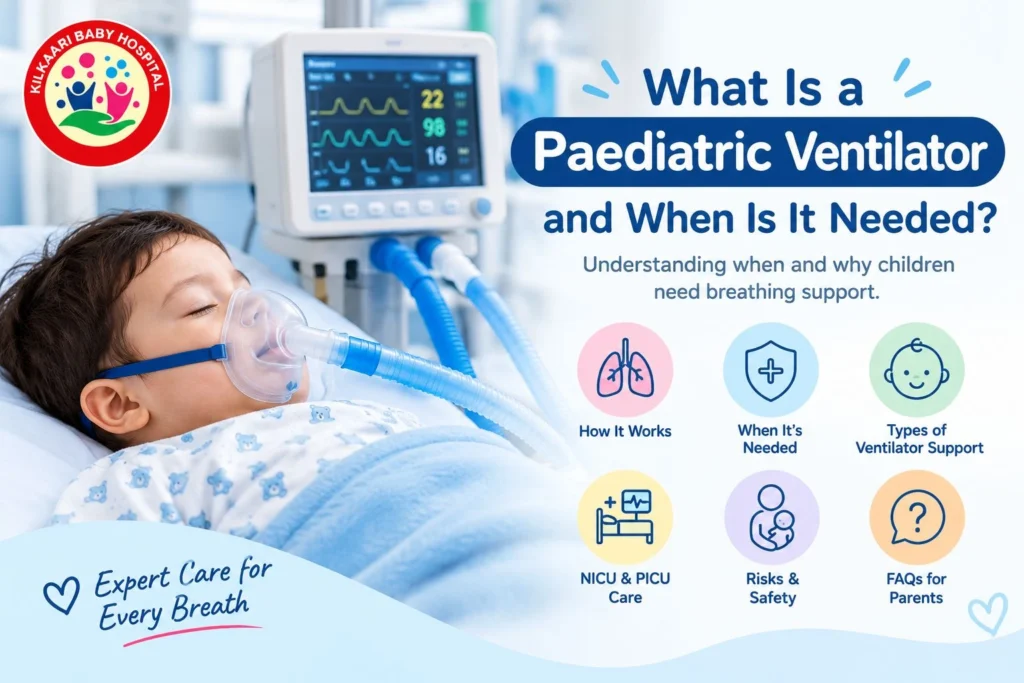
Paediatric Ventilator img.
Uncategorized

What Is a Paediatric Ventilator and When Is It Needed?

A child’s breathing is essential for delivering oxygen to the body and removing carbon dioxide. However, some children may develop serious breathing difficulties due to infections, premature birth, lung conditions, injuries or other medical problems. In such situations, doctors may recommend breathing support using a paediatric ventilator. A paediatric ventilator is a medical device that helps a baby or child breathe when they cannot breathe adequately on their own. Depending on the child’s condition, it may provide additional breathing assistance or temporarily take over much of the work of breathing. For parents, hearing that their child needs a ventilator can be frightening. Understanding how a ventilator works, when doctors use it and what happens during treatment can help families feel better informed. This guide explains paediatric ventilator support, common reasons for its use, the role of the Neonatal Intensive Care Unit (NICU) and Paediatric Intensive Care Unit (PICU), and when to seek emergency medical care. What Is a Paediatric Ventilator? A paediatric ventilator is a machine that supports breathing in infants and children who need help moving air into and out of their lungs. It can help deliver oxygen, support the movement of air and help remove carbon dioxide from the body. The exact type of support depends on the child’s age, size, diagnosis and severity of illness. A ventilator does not directly cure the underlying disease. Instead, it supports breathing while doctors treat the condition responsible for the problem. Paediatric ventilators are used in hospitals, including intensive care units, where trained healthcare professionals can closely monitor the child’s breathing, oxygen levels and response to treatment. How Does a Paediatric Ventilator Work? A paediatric ventilator provides breathing support through a carefully selected method. The medical team adjusts its settings according to the child’s condition and monitors how effectively the lungs are functioning. The process may involve the following steps: Assessment: Doctors assess the child’s breathing, oxygen levels, medical history and overall condition. Selection of breathing support: The team decides whether the child needs oxygen, non-invasive ventilation or invasive mechanical ventilation. Delivery of breathing support: Depending on the method, support may be delivered through a mask or through a breathing tube placed into the windpipe. Continuous monitoring: Healthcare professionals monitor oxygen levels, heart rate, breathing pattern and other clinical measurements. Adjustment of treatment: Ventilator settings are changed as needed according to the child’s response. Gradual reduction of support: When the underlying condition improves, the medical team assesses whether the child can breathe safely with less assistance. The type and amount of support required vary from one child to another. When Is a Paediatric Ventilator Needed? Doctors may recommend ventilator support when a child’s breathing is inadequate or when the child cannot maintain safe oxygen or carbon dioxide levels without assistance. Common situations include: Severe Respiratory Distress Respiratory distress occurs when a child has difficulty breathing or must work unusually hard to breathe. Possible signs include rapid breathing, grunting, flaring nostrils and the skin pulling inward around the ribs or chest. Mild cases may improve with appropriate treatment and oxygen support. More severe cases may require ventilation if the child cannot maintain adequate breathing. Severe Pneumonia Pneumonia is an infection that affects the lungs. In severe cases, inflammation and fluid in the air sacs can make it difficult for oxygen to pass into the bloodstream. Some children may need oxygen therapy or other respiratory support. A ventilator may be necessary when breathing failure develops or less intensive support is insufficient. Respiratory Failure Respiratory failure occurs when the lungs cannot provide sufficient oxygen to the body, remove enough carbon dioxide, or both. It can result from serious lung infections, severe asthma, certain neurological conditions or other illnesses. A paediatric ventilator can support gas exchange while doctors treat the underlying cause. Premature Birth and Breathing Difficulties Premature babies may have underdeveloped lungs and may not produce enough surfactant, a substance that helps keep the air sacs in the lungs open. Some premature newborns need respiratory support after birth. Depending on their condition, this may include non-invasive breathing support or mechanical ventilation. Doctors generally aim to use the least invasive support that safely meets the baby’s needs. Severe Asthma or Other Lung Conditions Some children with severe asthma or other respiratory conditions may develop serious breathing difficulties despite initial treatment. In selected cases, mechanical ventilation may be required in a PICU. This is a specialised intervention that requires close monitoring because ventilation in children with certain lung conditions needs careful adjustment. Neurological or Neuromuscular Conditions Conditions affecting the brain, nerves or muscles can interfere with the body’s ability to control breathing or move air effectively. Depending on the condition and severity, a child may need temporary or longer-term breathing support. Major Surgery or Serious Injury Some children require ventilator support during or after major surgery. Others may need it after a serious injury or illness that affects breathing or consciousness. The medical team determines the duration of support according to the child’s recovery and clinical needs. What Is the Difference Between a Paediatric Ventilator and a Neonatal Ventilator? Both devices support breathing, but the patients and clinical requirements differ. Feature Paediatric Ventilator Neonatal Ventilator Main Patients Infants and children Newborn and premature babies Breathing Requirements Adjusted to the child’s size and condition Designed for newborns’ delicate lungs Common Setting Paediatric Intensive Care Unit (PICU) Neonatal Intensive Care Unit (NICU) Clinical Considerations Age, weight and lung condition Gestational age, birth weight and lung maturity Monitoring Breathing, oxygen levels and overall condition Oxygen levels, ventilation and newborn-specific needs Some ventilators can support different age groups, while others are designed for particular patient sizes. The treating team selects suitable equipment based on the child’s individual needs. What are the Different Types of Ventilator Support for Children? Not every child who has breathing difficulties needs an invasive ventilator. Doctors select the appropriate method based on the severity of the condition. 1. Supplemental Oxygen Oxygen may be provided through nasal prongs, a mask or another suitable delivery system when […]

common newborn problems img.
Uncategorized

Common Newborn Problems: Symptoms, Causes and When to Seek Medical Help

The first few weeks after birth are an exciting but sometimes challenging time for new parents. Newborn babies are adjusting to life outside the womb, and parents may notice changes in feeding, sleeping, digestion, skin colour and crying patterns. Many common newborn problems are temporary and can be managed with appropriate care and guidance. However, some symptoms may indicate an illness that needs prompt medical attention. Understanding the difference can help parents make informed decisions about their baby’s health. In this guide, we explain common problems in newborn babies, their possible causes, practical care tips and warning signs that parents should never ignore. What Are the Most Common Newborn Problems? Newborns can experience a variety of health and care-related concerns during the first few weeks of life. These may include feeding difficulties, newborn jaundice, colic, reflux, diaper rash and changes in bowel movements. Some common newborn problems are part of normal development, while others require assessment by a paediatrician. 1. Newborn Jaundice Newborn jaundice is a common condition that causes a baby’s skin and the whites of their eyes to appear yellow. It occurs when bilirubin, a yellow substance produced as red blood cells break down, builds up in the blood. A newborn’s liver may need time to process bilirubin efficiently. Common signs of newborn jaundice include: Yellowing of the skin or whites of the eyes. Yellow colour spreading from the face to other parts of the body. Poor feeding or unusual sleepiness in more serious cases. A healthcare professional may check the baby’s bilirubin level and recommend monitoring or treatment, such as phototherapy, when necessary. Parents should not rely on sunlight or home remedies to treat jaundice. Seek prompt medical assessment if you notice yellowing, especially during the first 24 hours after birth. 2. Feeding Difficulties Some newborn babies have difficulty latching, sucking effectively or feeding regularly. Parents may also worry about whether their baby is getting enough breast milk or formula. Possible signs of newborn feeding problems include: Difficulty latching onto the breast. Weak sucking or repeatedly falling asleep during feeds. Feeding much less than usual. Fewer wet nappies than expected. Poor weight gain. To support newborn feeding, hold your baby comfortably, look for early hunger cues and ask a healthcare professional or lactation specialist for help if breastfeeding is painful or difficult. A newborn who refuses feeds, cannot suck effectively or becomes unusually sleepy needs urgent medical assessment. Do not force-feed a baby who is struggling to breathe or remain alert. 3. Excessive Crying and Colic Crying is one of the main ways newborns communicate hunger, discomfort, tiredness and the need for comfort. Some babies cry for longer periods without an obvious reason. This may sometimes be described as colic. Possible signs include: Repeated periods of intense crying. Difficulty settling despite feeding and comforting. Clenching fists or drawing the legs towards the tummy. Parents can try checking whether the baby is hungry, needs a nappy change, feels too hot or cold, or needs gentle soothing. Holding the baby, speaking softly and gently rocking them may help. Never shake a baby. If crying is unusual, persistent or accompanied by fever, vomiting, poor feeding, breathing problems or unusual drowsiness, seek medical advice rather than assuming it is colic. 4. Spitting Up and Reflux Many newborns bring up small amounts of milk after feeding. This is often called spitting up and may happen because the muscle between the food pipe and stomach is still developing. Reflux may cause milk to come back into the mouth, sometimes with burping. Helpful feeding practices may include: Feeding your baby in a comfortable position. Burping the baby gently during or after feeds. Holding the baby upright while they are awake after feeding. Avoiding pressure on the baby’s tummy. Always place your baby on their back on a firm, flat sleep surface, even if they have reflux. Do not use inclined sleepers or raise the mattress unless specifically instructed by a qualified healthcare professional. Seek urgent medical care if your baby has green or bloody vomit, repeated forceful vomiting, a swollen tummy, breathing difficulty or poor feeding. 5. Gas and Tummy Discomfort Newborn babies may appear uncomfortable, pull their legs towards their tummy or become unsettled after feeding. Swallowed air during feeding can contribute to gas. Parents may find it helpful to: Burp the baby gently. Check that the feeding position is comfortable. Hold the baby upright while awake after feeding. Ask a healthcare professional to review feeding technique if discomfort continues. Do not give gripe water, herbal preparations, medicines or other remedies without checking with your baby’s healthcare professional. Persistent crying, a swollen abdomen, green vomit, blood in the stool or poor feeding should not be dismissed as ordinary gas. 6. Constipation and Changes in Bowel Movements A newborn’s stool pattern can vary depending on age and whether the baby is breastfed or formula-fed. Stool frequency alone does not always indicate constipation. Possible signs of constipation include hard, dry stools and discomfort while passing stool. Straining or turning red while passing a soft stool may occur in young babies and does not necessarily mean constipation. Parents should monitor stool consistency, feeding and wet nappies. Do not give water, laxatives or other treatments to a newborn unless advised by a qualified healthcare professional. Contact a paediatrician if stools are persistently hard or the baby seems uncomfortable. Seek urgent assessment if constipation occurs with a swollen tummy, repeated vomiting, blood in the stool or poor feeding. 7. Diaper Rash Diaper rash is irritation of the skin covered by a nappy. It can occur when the skin remains exposed to moisture, urine or stool for too long. Common symptoms include: Red or irritated skin around the diaper area. Tenderness during nappy changes. Spots or patches of irritated skin. To help prevent diaper rash: Change wet or soiled nappies promptly. Clean the area gently and pat it dry. Allow the skin to air-dry when practical. Use a suitable barrier cream if recommended by a healthcare professional. Seek medical […]

Phototherapy for Newborn Jaundice img.
Uncategorized

Phototherapy for Newborn Jaundice: Treatment, Benefits and What Parents Should Know

Newborn jaundice is a common condition that causes a baby’s skin and the whites of their eyes to appear yellow. It occurs when bilirubin, a yellow substance produced during the normal breakdown of red blood cells, builds up in the baby’s blood. Although mild jaundice often improves on its own, some babies need medical treatment to reduce their bilirubin levels. Phototherapy for newborn jaundice is one of the most commonly used treatments when bilirubin levels become high enough to require intervention. It uses a special type of light to help the baby’s body remove bilirubin more effectively. In this guide, we will explain how phototherapy works, when newborns may need it, its benefits, possible side effects and how parents can support their babies during treatment. What Is Newborn Jaundice? Newborn jaundice, also known as neonatal jaundice, develops when bilirubin accumulates in a baby’s blood. A newborn’s liver is still developing and may not be mature enough to remove bilirubin efficiently during the first few days after birth. Common signs of newborn jaundice include: Yellowing of the skin and whites of the eyes. Yellow colouring that may spread from the face to the chest, abdomen and legs. Dark urine or unusually pale stools in some babies. Feeding difficulties or unusual sleepiness when jaundice is more serious. Jaundice often appears during the first few days of life. However, its severity varies from baby to baby, and a healthcare professional may need to measure bilirubin levels to determine whether treatment is necessary. What Is Phototherapy for Newborn Jaundice? Phototherapy for newborn jaundice is a medical treatment that uses a special blue-light source to help reduce bilirubin in a baby’s blood. The light changes bilirubin into forms that the baby’s body can eliminate more easily through urine and stools. This helps lower bilirubin levels and reduces the risk of complications associated with severe jaundice. Phototherapy may be provided in a hospital, neonatal unit or, for selected babies, at home under a healthcare professional’s supervision. The decision to begin treatment depends on factors such as the baby’s age in hours, bilirubin level, gestational age and other medical risk factors. How Does Phototherapy Work for Newborn Jaundice? During phototherapy, the baby is placed under a specially designed light or on a medical light-emitting blanket, depending on the equipment being used. The process generally involves the following steps: Bilirubin assessment: A healthcare professional measures the baby’s bilirubin level using an appropriate test. Positioning under the light: The baby is placed under the prescribed phototherapy equipment to expose as much skin as appropriate. Eye protection: Protective eye covers are used when required by the equipment and clinical protocol. Regular monitoring: Healthcare professionals monitor bilirubin levels, temperature, hydration and feeding. Follow-up testing: Repeat bilirubin measurements help determine whether treatment is working and when it can safely stop. The amount and duration of light exposure are determined by the baby’s clinical condition. Parents should follow the neonatal team’s instructions rather than adjusting the equipment themselves. When Does a Newborn Need Phototherapy? Not every baby with jaundice needs phototherapy. Many newborns have mild jaundice that improves as their liver matures. Phototherapy may be recommended when a baby’s bilirubin level reaches the treatment threshold for their age and risk factors. Doctors may consider phototherapy when: Bilirubin levels are rising or are high enough to require treatment. The baby was born prematurely or has other risk factors. Bilirubin measurements indicate that treatment is needed to prevent complications. The baby’s clinical condition requires closer monitoring. A bilirubin level should not be interpreted in isolation. Healthcare professionals use the baby’s age in hours, gestational age and relevant risk factors to decide whether phototherapy is appropriate. Types of Phototherapy for Newborn Jaundice Different phototherapy methods may be used depending on the baby’s bilirubin level, medical needs and available equipment. 1. Conventional Phototherapy Conventional phototherapy uses a specialised light positioned above the baby’s cot or incubator. The baby usually wears only a nappy to allow suitable skin exposure, with eye protection provided according to the clinical protocol. 2. Intensive Phototherapy Intensive phototherapy uses a higher effective light dose or additional light sources to reduce bilirubin more rapidly. It may be recommended when bilirubin levels are particularly high or need to be reduced urgently. 3. Fibre-Optic Phototherapy Fibre-optic phototherapy uses a specialised light-emitting pad or blanket that delivers light to the baby’s skin. It may allow easier handling and feeding in suitable cases. 4. Home Phototherapy Some babies may be suitable for home phototherapy using approved equipment prescribed by a healthcare professional. This option requires appropriate patient selection, reliable equipment, clear instructions and regular bilirubin monitoring. Home treatment is not appropriate for every newborn, especially babies who are unwell or have risk factors requiring hospital care. Benefits of Phototherapy for Newborn Jaundice Phototherapy is an established treatment for newborns whose bilirubin levels require intervention. Its main benefits include: Reduces bilirubin levels: Helps the baby’s body eliminate excess bilirubin. Helps prevent complications: Timely treatment reduces the risk associated with dangerously high bilirubin levels. Provides measurable results: Repeat testing helps healthcare professionals assess the baby’s response. Offers different treatment options: Suitable babies may receive treatment using overhead lights or fibre-optic equipment. Supports safe clinical management: Monitoring allows the healthcare team to adjust treatment according to the baby’s needs. Early assessment and appropriate treatment are important because severe untreated hyperbilirubinaemia can cause serious neurological complications. How Long Does Phototherapy Take? The duration of phototherapy varies depending on the baby’s bilirubin level, age, gestational age and response to treatment. Some babies need treatment for approximately a day or two, while others may require longer treatment or more intensive monitoring. Healthcare professionals check bilirubin levels during treatment and decide when it is safe to stop. In some cases, bilirubin may rise again after phototherapy ends, so follow-up testing may be recommended. Parents should not stop treatment early or change the prescribed treatment schedule without medical advice. Are There Any Side Effects of Phototherapy? Phototherapy is generally considered safe when provided with appropriate […]

newborn breathing problems img.
Uncategorized

Newborn Breathing Problems: Symptoms, Causes and Treatment

A newborn baby’s breathing may look different from an adult’s breathing, especially during the first few days after birth. Parents may notice brief pauses, changes in breathing rhythm or occasional snuffling sounds. Some variations can be normal, but certain signs may indicate a serious medical problem. Understanding newborn breathing problems helps parents recognise warning signs and seek medical care when needed. Breathing difficulties can occur in premature babies as well as full-term newborns, and the causes can range from temporary breathing conditions to infections or problems affecting the lungs. In this guide, we explain the common symptoms, causes and treatment options for breathing problems in newborn babies, along with signs that require urgent medical attention. What Are Newborn Breathing Problems? Newborn breathing problems occur when a baby has difficulty breathing normally or maintaining adequate oxygen levels. Doctors may describe significant breathing difficulty as respiratory distress. Some babies experience breathing difficulties shortly after birth, while others develop symptoms during the following hours or days. A newborn’s condition needs prompt assessment because breathing problems can sometimes worsen quickly. Not every irregular breathing pattern means that a baby is ill. However, parents should never ignore signs such as struggling to breathe, blue or grey lips, grunting with each breath or repeated pauses in breathing. Important: If your newborn is struggling to breathe, has blue or grey lips or tongue, becomes unresponsive or has repeated pauses in breathing, seek emergency medical help immediately. Do not wait to finish reading this article. What Is Normal Breathing in a Newborn? Newborn babies generally breathe faster than older children and adults. A newborn typically breathes around 30–60 times per minute when calm. Breathing may occasionally become irregular, with short pauses, particularly during sleep. However, prolonged pauses, repeated pauses associated with colour changes, or any signs of breathing distress are not normal and require urgent medical assessment. To observe your baby’s breathing, look at the chest or tummy while the baby is calm. If you are concerned about fast breathing, a healthcare professional can help assess the breathing rate and determine whether further examination is needed. Symptoms of Breathing Problems in Newborn Babies Recognising the signs of breathing difficulty is important because newborns cannot tell parents when something is wrong. 1. Fast Breathing Fast breathing in newborns may be a sign of a respiratory problem, particularly if it continues when the baby is calm. A breathing rate of more than 60 breaths per minute is generally considered fast in a newborn. If you count an elevated rate, a healthcare professional should assess the baby, especially if other symptoms are present. Do not delay medical care to repeatedly count breaths if your baby appears distressed. 2. Grunting Sounds A baby who makes a short grunting sound with each breath may be working harder than usual to breathe. Grunting can be a sign of respiratory distress and should be assessed urgently, particularly when accompanied by fast breathing, chest indrawing or changes in skin colour. 3. Flaring of the Nostrils Nasal flaring occurs when a baby’s nostrils widen with each breath. This may be a sign that the baby is trying harder to draw air into the lungs. If you notice persistent nasal flaring, seek prompt medical assessment. 4. Chest Indrawing Chest indrawing happens when the skin between or below the ribs, or around the breastbone, pulls inward during inhalation. This can indicate that a baby is using extra effort to breathe. Marked chest indrawing, especially with grunting or fast breathing, requires emergency medical attention. 5. Blue or Grey Lips and Skin Blue or grey colouring around the lips, tongue or face may indicate inadequate oxygen circulation. This is an emergency. Seek immediate medical help rather than waiting to see whether the colour improves. 6. Pauses in Breathing Brief irregularities can occur in newborn breathing, but repeated pauses, prolonged pauses, or pauses accompanied by limpness, colour changes or difficulty waking are concerning. Seek emergency help if your baby stops breathing or has pauses associated with signs of distress. 7. Difficulty Feeding Some newborns with breathing difficulties struggle to coordinate sucking, swallowing and breathing. They may stop frequently during feeds, become exhausted or feed much less than usual. Poor feeding alongside breathing changes can indicate a serious problem and needs urgent medical assessment. Common Causes of Newborn Breathing Problems There are several possible causes of breathing difficulties in newborn babies. The correct diagnosis depends on the baby’s age, birth history, symptoms and medical examination. 1. Premature Birth Premature babies are born before 37 completed weeks of pregnancy. Their lungs may not be fully developed, increasing the risk of respiratory problems. Premature newborns may have difficulty producing enough surfactant, a substance that helps keep the tiny air sacs in the lungs open. Depending on the baby’s condition, treatment may include oxygen, CPAP or mechanical ventilation in a neonatal intensive care unit (NICU). 2. Transient Tachypnea of the Newborn (TTN) Transient tachypnea of the newborn occurs when fluid in the baby’s lungs takes longer than expected to clear after birth. It can cause fast breathing and sometimes mild respiratory distress. TTN is often temporary, and many babies improve over a few days with appropriate monitoring and supportive care. Doctors must assess the baby to distinguish TTN from other conditions that may need different treatment. 3. Neonatal Respiratory Distress Syndrome (RDS) Respiratory distress syndrome is more common in premature babies whose lungs have not developed enough surfactant. Symptoms can include rapid breathing, grunting, nasal flaring and chest indrawing. Depending on severity, treatment may include respiratory support and surfactant replacement therapy. 4. Infection or Pneumonia Infections can affect a newborn’s lungs and breathing. Pneumonia and serious infections such as sepsis may cause respiratory distress, temperature changes, poor feeding or unusual sleepiness. Newborn infections require prompt medical evaluation. Depending on the suspected cause, doctors may recommend blood tests, cultures, antibiotics and respiratory support. 5. Meconium Aspiration Syndrome Meconium is a baby’s first stool. If a baby breathes meconium-contaminated fluid into the lungs before or during birth, […]

newborn vaccination schedule img.
Uncategorized

Newborn Vaccination Schedule in India: A Complete Guide for Parents

Welcoming a newborn baby brings happiness, excitement and many new responsibilities. One of the most important responsibilities for parents is protecting their baby’s health through timely vaccination. A newborn’s immune system is still developing, making protection against certain infectious diseases particularly important during early childhood. Vaccines help the immune system recognise and fight specific infections, reducing the risk of serious illness. Understanding the newborn vaccination schedule helps parents know which vaccines their baby needs, when each dose is due and how to prepare for vaccination appointments. In India, the Universal Immunization Programme (UIP) provides recommended vaccines for infants and children at different ages. Vaccination begins at birth and continues through infancy and childhood. This guide explains the newborn vaccination schedule in India, vaccines given at birth, the baby vaccination chart by age, common side effects and practical tips for parents. Why Is Vaccination Important for Newborn Babies? Vaccination is an important part of preventive healthcare. It helps protect babies against diseases that can sometimes cause severe complications, hospitalisation or long-term health problems. Following the recommended infant immunisation schedule offers several benefits: Protection against infections: Vaccines help protect against diseases such as tuberculosis, polio, hepatitis B, diphtheria and measles. Protection during early childhood: Timely vaccination helps build immunity while a baby’s immune system is developing. Reduced risk of severe illness: Vaccines reduce the risk of serious complications from vaccine-preventable diseases. Better health monitoring: Regular vaccination visits give parents opportunities to discuss their baby’s growth, feeding and general health with a healthcare professional. Vaccines should be given according to the recommended schedule. If your baby misses a dose, contact a paediatrician or immunisation centre for guidance on the appropriate catch-up schedule. Newborn Vaccination Schedule in India The Indian government’s Universal Immunization Programme recommends specific vaccines at birth, during the first few months and at later childhood milestones. The following baby vaccination chart summarises the main stages of India’s national immunisation schedule. Always confirm the exact doses and dates with your baby’s vaccination card and healthcare professional. Baby’s Age Vaccines At Birth BCG, OPV-0, Hepatitis B 6 Weeks OPV-1, Pentavalent-1, fIPV-1, Rotavirus-1, PCV-1 10 Weeks OPV-2, Pentavalent-2, Rotavirus-2 14 Weeks OPV-3, Pentavalent-3, fIPV-2, Rotavirus-3, PCV-2 9–12 Months MR-1, fIPV-3, PCV Booster, JE-1 (selected areas) 16–24 Months MR-2, DPT Booster-1, OPV Booster, JE-2 (selected areas) 5–6 Years DPT Booster-2 10 Years Td Vaccine 16 Years Td Vaccine Important: This is a general summary of the national programme, not a personalised vaccination plan. Japanese Encephalitis (JE) vaccination is provided in designated areas. Additional vaccines may be recommended under private paediatric guidance. Vitamin A supplementation is also part of the child health programme at specified ages, but it is not a vaccine. For the official schedule, see the [Ministry of Health and Family Welfare’s National Immunization Schedule](https://www.mohfw.gov.in/sites/default/files/Unit2NationalImmunizationSchedule.pdf). Which Vaccines Are Given at Birth? Three vaccines are scheduled at birth under India’s national immunisation programme: BCG, OPV-0 and the hepatitis B birth dose. 1. BCG Vaccine The Bacillus Calmette–Guérin (BCG) vaccine helps protect against severe forms of tuberculosis, particularly in children. It is generally administered as an injection into the skin of the upper arm. A small bump or sore may develop at the injection site and can later leave a small scar. If your baby did not receive the BCG vaccine at birth, ask a healthcare professional about the appropriate timing. 2. OPV-0 (Oral Polio Vaccine) OPV-0 is the birth dose of the oral polio vaccine. It helps protect against poliovirus, which can cause serious illness and paralysis. The vaccine is administered by mouth. The zero dose is followed by routine doses at 6, 10 and 14 weeks. 3. Hepatitis B Birth Dose The hepatitis B vaccine protects against hepatitis B virus, which can cause liver infection and long-term liver disease. The birth dose should be administered within 24 hours of birth. It is particularly important because hepatitis B can pass from an infected mother to her baby around the time of delivery. If your baby has missed the recommended birth dose, contact your healthcare professional promptly for advice. Vaccination at 6 Weeks The six-week appointment is an important milestone in the vaccination schedule for newborn babies. Several vaccines are given at this stage to start building protection against multiple diseases. Pentavalent Vaccine The pentavalent vaccine protects against five diseases: Diphtheria Pertussis (whooping cough) Tetanus Hepatitis B Haemophilus influenzae type b (Hib) disease Hib can cause serious infections, including meningitis and pneumonia. Oral Polio Vaccine and Fractional IPV The oral polio vaccine (OPV) is given by mouth. Fractional inactivated polio vaccine (fIPV) is administered as an injection according to the national schedule. These vaccines help build protection against polio. Rotavirus Vaccine Rotavirus can cause severe diarrhoea and dehydration in infants and young children. The rotavirus vaccine helps protect against serious rotavirus disease. Pneumococcal Conjugate Vaccine The pneumococcal conjugate vaccine (PCV) protects against certain infections caused by pneumococcal bacteria, including some cases of pneumonia and meningitis. Keep your baby’s vaccination card updated so the healthcare provider can confirm the next due date. Vaccination at 10 Weeks At ten weeks, the national immunisation programme schedules the second doses of: OPV Pentavalent vaccine Rotavirus vaccine These doses continue the protection started during the earlier vaccination appointment. Parents should attend the scheduled visit even if their baby appeared well after the previous vaccinations. Each dose has a specific role in building protection. Vaccination at 14 Weeks The fourteen-week appointment includes several additional doses under the national programme: OPV-3 Pentavalent-3 Fractional IPV-2 Rotavirus-3 PCV-2 Together, these vaccines help build protection against several important childhood infections. If you are unsure whether a vaccine has already been administered, show the vaccination card to the healthcare provider before the appointment. Do not rely only on memory when tracking doses. Vaccines Given After the First Year Vaccination continues after the newborn stage. Booster doses and additional vaccines help maintain protection as the child grows. Vaccination at 9–12 Months The national programme includes the first measles-rubella (MR-1) dose, the scheduled fractional IPV dose and the […]

Advance NICU in Sangrur img.
Uncategorized

Newborn Baby Needs a Ventilator in Sangrur? Know Your Advanced NICU Options Before Travelling to Patiala or Chandigarh

When a newborn baby develops severe breathing difficulties or other serious medical complications, immediate access to appropriate medical care is essential. For parents searching for an advanced NICU in Sangrur, finding the right hospital for their newborn can be stressful, especially when doctors recommend travelling to Patiala or Chandigarh. A newborn ventilator in Sangrur may be an important consideration when a baby requires specialized respiratory support. Depending on the baby’s medical condition and the facilities available, appropriate neonatal intensive care in Sangrur may sometimes be possible without travelling to another city. Kilkaari Baby Hospital, Sangrur, provides neonatal and pediatric care. Parents looking for a NICU hospital in Sangrur can contact the hospital to enquire about newborn ventilator support, advanced neonatal facilities, and applicable cashless treatment options. In this guide, we explain when newborns may need ventilator support, what advanced NICU treatments involve, and what parents should know before making a hospital transfer. Why Might a Newborn Baby Need NICU Admission? A newborn may experience breathing difficulties because of premature birth, respiratory distress syndrome, infection, meconium aspiration, or other medical complications. In some cases, oxygen therapy or Continuous Positive Airway Pressure (CPAP) may provide sufficient support. However, babies with severe respiratory failure may require ventilator support for newborn babies to help maintain adequate oxygen levels and support breathing. The type of respiratory support depends on the baby’s diagnosis, gestational age, clinical condition, and response to treatment. Parents searching for newborn respiratory distress treatment should consult a qualified medical professional immediately. The treating doctor can explain whether oxygen, CPAP, conventional mechanical ventilation, or another intervention is required. Is Advanced NICU Care Available in Sangrur? Families sometimes assume that every newborn requiring advanced treatment must travel to a larger city. However, the most appropriate hospital depends on the baby’s medical needs and the capabilities of the available NICU. Kilkaari Baby Hospital is a local option for families seeking information about NICU facilities in Sangrur and advanced neonatal care in Sangrur. Before deciding on admission or transfer, confirm: Whether an appropriate NICU bed is available. Whether the required ventilator or specialized equipment is operational. Whether a qualified neonatal team is available. Whether the hospital can manage the baby’s particular condition. Whether referral to a higher-level centre is medically necessary. Some newborns can receive appropriate treatment locally, while others need specialized interventions available only at a referral centre. Advanced Neonatal Facilities at Kilkaari Baby Hospital According to the hospital’s facility information, Kilkaari Baby Hospital offers advanced neonatal services that include specialized respiratory support and monitoring. Families should confirm the current availability of individual facilities directly with the hospital. 1. HFOV Ventilator for Newborns: Advanced Respiratory Support High-Frequency Oscillatory Ventilation (HFOV) is a specialized form of mechanical ventilation used for selected newborns with severe respiratory failure. Unlike conventional ventilation, HFOV delivers very small changes in lung volume at a high frequency under carefully controlled settings. Doctors may consider an HFOV ventilator for newborns when conventional ventilation is insufficient or when this approach is otherwise clinically appropriate. HFOV is not necessary for every baby with breathing difficulties. Its use requires appropriate equipment, trained staff, and continuous monitoring. 2. Inhaled Nitric Oxide (iNO) Therapy Persistent Pulmonary Hypertension of the Newborn (PPHN) is a serious condition in which blood circulation through the lungs does not adapt normally after birth. For selected newborns with PPHN, inhaled nitric oxide (iNO) may help relax blood vessels in the lungs and improve oxygenation. iNO therapy for newborns requires specialized delivery equipment, close monitoring, and an appropriately trained medical team. The treating doctors determine whether this treatment is suitable based on the baby’s diagnosis and clinical condition. 3. Therapeutic Hypothermia for Eligible Newborns Some babies experience reduced oxygen supply or blood flow to the brain around the time of birth. This can cause hypoxic-ischaemic encephalopathy (HIE), a condition that may result in brain injury. Therapeutic hypothermia for newborns, also called controlled cooling, may reduce the risk of death or significant neurological disability in eligible newborns with moderate-to-severe HIE. For appropriate candidates, treatment generally needs to begin within six hours after birth. Early assessment and treatment under an established medical protocol are essential. Parents should urgently consult a qualified medical team if their newborn may have experienced significant oxygen deprivation during delivery. Confirm directly with the hospital whether therapeutic hypothermia is currently available. 4. Amplitude-Integrated EEG (aEEG) Monitoring Amplitude-integrated electroencephalography (aEEG) helps doctors monitor electrical activity in a newborn’s brain over time. aEEG monitoring for newborns may assist in assessing babies at risk of neurological injury and identifying abnormal patterns that could suggest seizures. Doctors interpret aEEG findings alongside the baby’s clinical condition. Conventional EEG and other investigations may also be necessary. Why Does the Right NICU Equipment Matter? A critically ill newborn may need more than an incubator or basic oxygen support. Depending on the diagnosis, appropriate respiratory support, continuous monitoring, timely treatment, and specialist nursing care can all be important. Parents searching for advanced newborn treatment in Punjab should understand that advanced equipment alone does not determine the quality of neonatal care. The experience of the medical team, infection prevention practices, monitoring protocols, and emergency referral arrangements are equally important. Parents should discuss their baby’s specific medical needs with the treating doctor before deciding where treatment should take place. Does Every Newborn Requiring a Ventilator Need to Travel to Patiala or Chandigarh? In some situations, a newborn may receive appropriate treatment in Sangrur if the required facilities, trained staff, and NICU bed are available. For example, a baby who develops respiratory distress after birth may require oxygen, CPAP, or mechanical ventilation. The appropriate treatment depends on the severity of the condition and the doctor’s assessment. If the necessary treatment is available locally and the medical team considers it safe, NICU admission in Sangrur may be an option. However, babies who need specialized surgery, interventions, or multidisciplinary services unavailable locally may require transfer to Patiala, Chandigarh, or another suitable referral centre. The objective should always be to choose the right level of care […]

What is NICU img.
Uncategorized

What Is NICU? When Does a Newborn Baby Need NICU Care?

The birth of a baby is a special moment for every family. However, some newborn babies need additional medical attention immediately after birth or during the first few days of life. In such situations, doctors may recommend care in a Neonatal Intensive Care Unit (NICU). For new parents, hearing that their baby needs NICU care can be worrying. Understanding what a NICU is, why babies are admitted, and how doctors care for newborns can help parents feel more informed and prepared. In this guide, we explain what a NICU is, when a newborn baby needs NICU care, common treatments, and what parents can expect during their baby’s hospital stay. What Is NICU? NICU stands for Neonatal Intensive Care Unit. It is a specialised hospital unit that provides medical care and close monitoring for newborn babies who are premature, have a low birth weight, experience breathing difficulties, or have other medical conditions requiring additional support. The NICU is staffed by trained healthcare professionals, which may include neonatologists, paediatricians, neonatal nurses and respiratory care specialists, depending on the hospital. The unit may contain specialised equipment to monitor a baby’s heart rate, breathing, oxygen levels and body temperature. Some babies require only observation and feeding support, while others need more advanced treatment. The main goal of neonatal intensive care is to help babies receive the treatment and support they need until their condition becomes stable. When Does a Newborn Baby Need NICU Care? Not every newborn needs intensive care. Many babies remain with their mothers after birth and receive routine newborn care. However, certain conditions may require admission to a NICU or another specialised newborn care unit. 1. Premature Birth A premature baby is born before completing 37 weeks of pregnancy. Babies born early may not have fully developed lungs, digestive systems or the ability to regulate their body temperature. Depending on their gestational age and medical condition, premature babies may need help with breathing, feeding, maintaining warmth and gaining weight. Some premature babies require intensive care, while others may receive a lower level of specialised newborn care. 2. Low Birth Weight Babies weighing less than 2.5 kg at birth are classified as having low birth weight. Low birth weight does not automatically mean that a baby needs NICU admission. However, these babies may require closer monitoring because they can have difficulties maintaining body temperature, feeding effectively or maintaining stable blood glucose levels. Doctors assess the baby’s weight, gestational age, feeding ability and overall health before deciding what level of care is appropriate. 3. Breathing Difficulties Some newborns experience breathing problems immediately after birth or during their first days of life. These problems may be associated with premature birth, respiratory conditions, infection or complications during delivery. A baby who needs additional oxygen, breathing support or continuous monitoring may require specialised neonatal care. Signs of breathing difficulties include: Very fast or laboured breathing. Grunting sounds with each breath. Skin pulling in around the ribs during breathing. Bluish lips or tongue. Pauses in breathing. These signs require urgent medical assessment. Do not wait for a routine appointment if your newborn is struggling to breathe. 4. Newborn Jaundice Newborn jaundice occurs when bilirubin, a yellow substance produced during the breakdown of red blood cells, builds up in a baby’s blood. Mild jaundice is common in newborns, but high bilirubin levels may require prompt treatment and monitoring. Some babies need phototherapy, which uses a special light to help the body eliminate bilirubin. A baby may require admission to a neonatal unit if bilirubin levels are very high, the baby has additional medical problems, or close monitoring and treatment are necessary. Read our related guide on newborn jaundice symptoms, causes and treatment to understand this condition in more detail. 5. Infections in Newborn Babies Newborn babies can develop serious infections, including bloodstream infections, pneumonia or meningitis. These conditions may progress quickly and require immediate medical attention. Doctors may recommend neonatal admission for monitoring, laboratory investigations and treatment, which may include antibiotics when a bacterial infection is suspected or confirmed. Possible warning signs include poor feeding, unusual sleepiness, difficulty breathing, temperature instability or reduced responsiveness. A newborn with suspected serious infection should be assessed urgently by a healthcare professional. 6. Complications During Birth Some babies need additional support following a difficult delivery or complications that affect their breathing, circulation or overall condition. Depending on the circumstances, doctors may recommend close observation, breathing support or further investigations in a specialised unit. The decision depends on the baby’s condition after birth and how well the baby responds to initial treatment. 7. Low Blood Sugar or Feeding Difficulties Some newborns, particularly premature babies and babies born to mothers with diabetes, are at increased risk of low blood glucose levels. Other babies may struggle to coordinate sucking, swallowing and breathing, making it difficult to take enough milk. Doctors may recommend blood glucose monitoring, feeding assistance, expressed breast milk through a feeding tube or other nutritional support when clinically necessary. 8. Congenital Conditions or Other Medical Problems Some babies are born with conditions affecting the heart, lungs, digestive system or other organs. Others may need specialised care following surgery. The NICU team assesses each baby individually and provides monitoring or treatment based on the specific medical needs. What Happens Inside a NICU? A NICU provides a controlled environment where healthcare professionals can monitor newborns and provide appropriate treatment. Depending on the baby’s condition, care may include the following. Incubator and Temperature Support Premature and low-birth-weight babies may have difficulty maintaining their body temperature. An incubator or radiant warmer helps provide a suitable thermal environment. Nurses monitor the baby’s temperature and adjust the support according to medical needs. Breathing Support Babies with breathing difficulties may receive oxygen, continuous positive airway pressure (CPAP) or mechanical ventilation, depending on the severity of their condition. Not every baby in the NICU needs a ventilator. The type of support depends on the baby’s breathing and oxygen requirements. Feeding and Nutrition Feeding support is an important part of newborn […]

Newborn jaundice img.
Uncategorized

What Is Newborn Jaundice? Symptoms, Causes and Treatment

Newborn jaundice is a common condition that causes a baby’s skin and the whites of their eyes to appear yellow. It usually develops during the first few days after birth and often improves as the baby’s liver matures. However, some babies develop high levels of bilirubin that require medical treatment. For new parents, understanding jaundice in newborn babies is important because early recognition and appropriate medical care can help prevent complications. In this guide, we will explain what newborn jaundice is, its common causes, jaundice symptoms in babies, how doctors diagnose the condition, and the available newborn jaundice treatment options. What Is Newborn Jaundice? Newborn jaundice, also known as neonatal jaundice, occurs when a substance called bilirubin builds up in a baby’s blood. Bilirubin is a yellow pigment produced when the body breaks down old red blood cells. Normally, the liver processes bilirubin so that the body can remove it through bowel movements. However, a newborn’s liver is still developing and may not remove bilirubin efficiently during the first few days of life. As bilirubin levels increase, the baby’s skin and the whites of their eyes may turn yellow. Jaundice is common in newborns and is often temporary. Nevertheless, parents should contact a healthcare professional if they notice yellowing because a bilirubin test may be needed to determine whether treatment is required. What Causes Jaundice in Newborn Babies? There are several reasons why newborns may develop jaundice. Most cases occur because the baby’s liver is still maturing, but other medical factors can also contribute. 1. An Immature Liver A newborn’s liver may not be fully developed enough to process bilirubin quickly. This can cause bilirubin to accumulate in the blood, leading to what is commonly called physiological jaundice. 2. Premature Birth Babies born before 37 weeks of pregnancy have less mature livers and may have difficulty removing bilirubin. Premature babies may therefore need closer monitoring. 3. Breastfeeding and Feeding Difficulties Some babies develop jaundice when they do not receive enough milk during the first days after birth. Inadequate intake can lead to dehydration and fewer bowel movements, making bilirubin removal less efficient. Breastfeeding can usually continue during jaundice. Parents should seek feeding support if their baby is not latching well or is not feeding frequently enough. 4. Blood Group Incompatibility Sometimes, a difference between the mother’s and baby’s blood groups causes the baby’s red blood cells to break down more quickly. This can produce higher bilirubin levels and may require prompt treatment. 5. Bruising During Birth Bruising or a collection of blood under the scalp following delivery can increase the amount of bilirubin produced as the blood breaks down. 6. Infection or Other Medical Conditions In some cases, jaundice may be associated with an infection, an inherited condition, or a problem affecting the liver or bile flow. These causes require medical assessment and treatment directed at the underlying condition. What Are the Jaundice Symptoms in Babies? Recognising jaundice symptoms in babies can help parents seek medical advice early. The most noticeable sign is yellowing of the skin and eyes. Common symptoms include: Yellow skin: Yellowing often begins on the face and may spread to the chest, abdomen, arms, and legs. Yellowing of the eyes: The whites of the eyes may appear yellow. Yellowing inside the mouth: The gums or the inside of the cheeks may look yellow. Dark urine: Urine that is dark yellow or brown can be a warning sign. Pale stools: White, chalky, or unusually pale stools require urgent medical assessment. Poor feeding: A baby may feed less effectively than usual. Unusual sleepiness: The baby may be difficult to wake or less responsive than normal. Yellowing can be harder to notice on brown or darker skin. Check the whites of the eyes, gums, and skin in good natural light, but do not rely on appearance alone to judge bilirubin levels. Important: If your newborn develops jaundice during the first 24 hours after birth, seek urgent medical assessment. Also seek immediate help if your baby with jaundice is difficult to wake, refuses feeds, has breathing difficulties, develops a temperature of 38°C or higher, or shows abnormal movements. When Does Newborn Jaundice Usually Start and Go Away? Newborn jaundice commonly becomes noticeable between the second and fourth days after birth. In many healthy, full-term babies, it improves within approximately 10–14 days. However, the duration can vary depending on the baby’s age, feeding, gestational age, bilirubin level, and underlying health. Jaundice that lasts longer than expected should be assessed by a healthcare professional. It can sometimes persist longer in breastfed babies or babies born prematurely, but prolonged jaundice should not automatically be assumed to be harmless. If you notice yellowing, contact your baby’s healthcare provider rather than waiting for it to disappear on its own. How Is Newborn Jaundice Diagnosed? Doctors and other healthcare professionals assess jaundice by examining the baby and measuring bilirubin levels when indicated. Physical Examination The healthcare professional checks the baby’s skin, eyes, feeding, alertness, and general health. Visual examination can identify possible jaundice, but it cannot reliably determine the bilirubin level. Bilirubin Test Bilirubin can be measured using: A skin test: A special device placed against the baby’s skin estimates the bilirubin level without taking blood. A blood test: A blood sample measures bilirubin more directly and may be required to confirm a result or guide treatment. Results are interpreted according to the baby’s age in hours, gestational age, bilirubin level, and other risk factors. Additional tests may be needed if the doctor suspects blood group incompatibility, infection, or a liver problem. What Is the Treatment for Newborn Jaundice? The appropriate newborn jaundice treatment depends on the baby’s bilirubin level, age, overall health, and the underlying cause. Many babies have mild jaundice that improves without specific treatment. Others require medical intervention to reduce bilirubin and prevent complications. 1. Frequent Feeding Regular feeding helps provide adequate fluid and nutrition while encouraging bowel movements, which help the body remove bilirubin. For breastfeeding babies, frequent feeds and professional […]

Scroll to Top